The Thrive Link is meant to help you identify, respond, and get support if you are dealing with a hostile or discriminatory work environment. We’ve included some prompts and exercises to help you prepare.
Step 1: Recognizing the Problem!
This section will help you to recognize a hostile work environment using a series of
scenarios, videos and term definitions.
Learn to identify subtle and overt hostility in your workplace, and find the language to name what you are experiencing.
Microaggressions are subtle, often unconscious verbal, behavioral, or environmental slights that communicate hostile or negative attitudes toward members of marginalized groups, such as saying “You’re so articulate” with surprise or asking “Where are you really from?”
Macroaggressions are overt, large-scale acts of discrimination or systemic policies that harm marginalized groups, ranging from explicit hate speech and deliberate exclusion to institutional practices like discriminatory laws or hiring bias rooted in systemic oppression.
Implicit Bias
Implicit bias refers to the unconscious attitudes, stereotypes, and associations that automatically influence our perceptions, decisions, and behaviors without our conscious awareness, often contradicting our explicit beliefs about fairness and equality.
Gaslighting
Gaslighting is a systematic form of psychological manipulation where someone intentionally makes another person question their own memory, perception, and judgment through tactics such as denying facts, lying, minimizing experiences, and presenting false information as truth.
Please log in to use this feature.
Step 2: Providing Protection
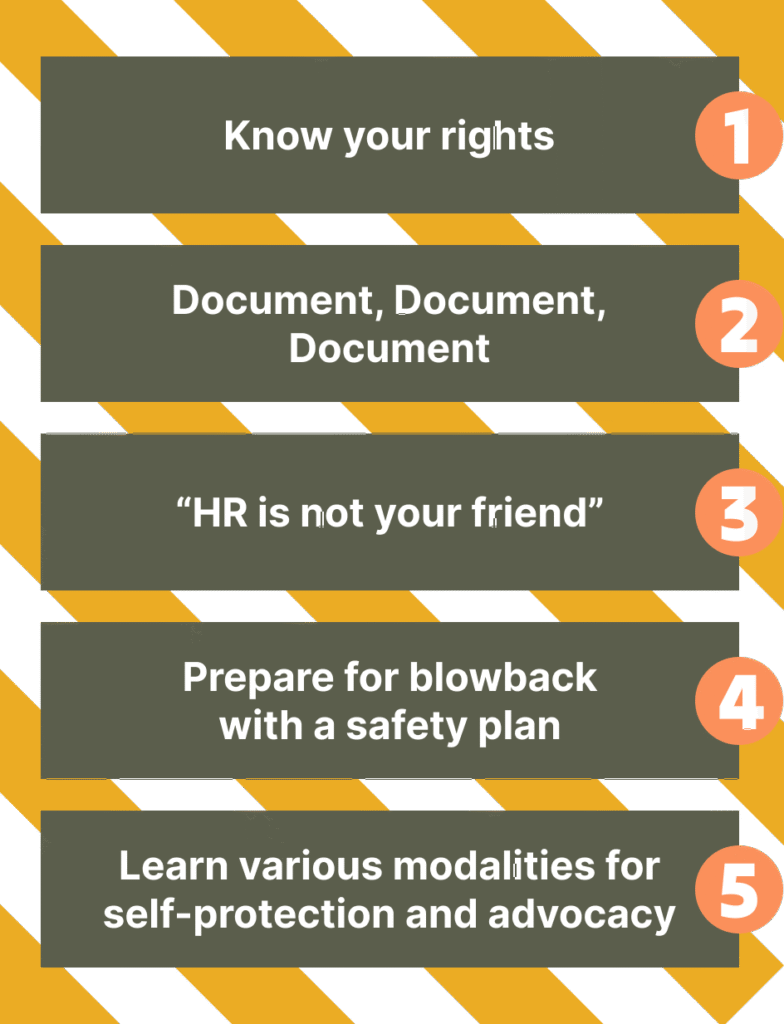
This section is to provide you tools, skills and knowledge to help you protect yourself in
a hostile or discriminatory work environment.
From the workshop, these are some of the tools we recommend:
Let’s get to work: Create your power kit.
Your power kit is a live document- we encourage you to update it at least twice a year
with those who will provide you support if you’re in a tough work situation.
Be sure to include those inside and outside your institution.
Build your Power Kit and Safety Plan. Capture trusted contacts, resources, and concrete next steps.
Please log in to use the Power Kit.
Let’s get to work: Create your safety plan.
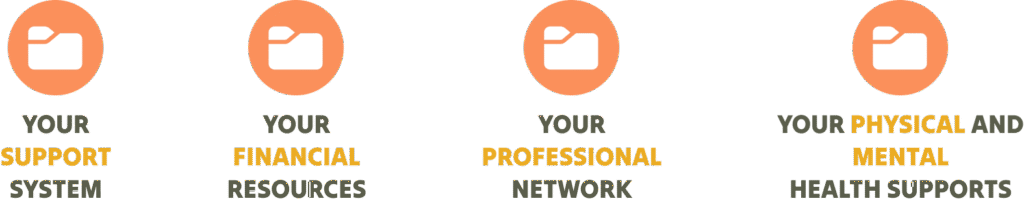
A safety plan is the element you’ll need to safely need a toxic work environment for safer space. To do so, you often need to have professional, financial, and emotional supports in place. Take a look at these elements of a good safety plan. The key to a good safety plan is to be as specific as possible and to start building it early!
Elements of a Safety Plan
Imagine yourself in a situation where you may need to leave your medical school,
residency, or attending position. Consider: What resources would you need to safely
land in the next role? Who would you turn to? How would you facilitate your transition?
Please log in to use the Safety Plan.
Step 3: Fight Back!
You are not alone.
Access national support from Thriving in The Last Mile clinicians
So you’re in a situation that requires you to protect yourself, either from psycho- emotional harm or firing from your workplace.
If you’re done the “Providing Protection” section, you’ve tapped into your network and have some supports. This section is if you feel that you need additional assistance.
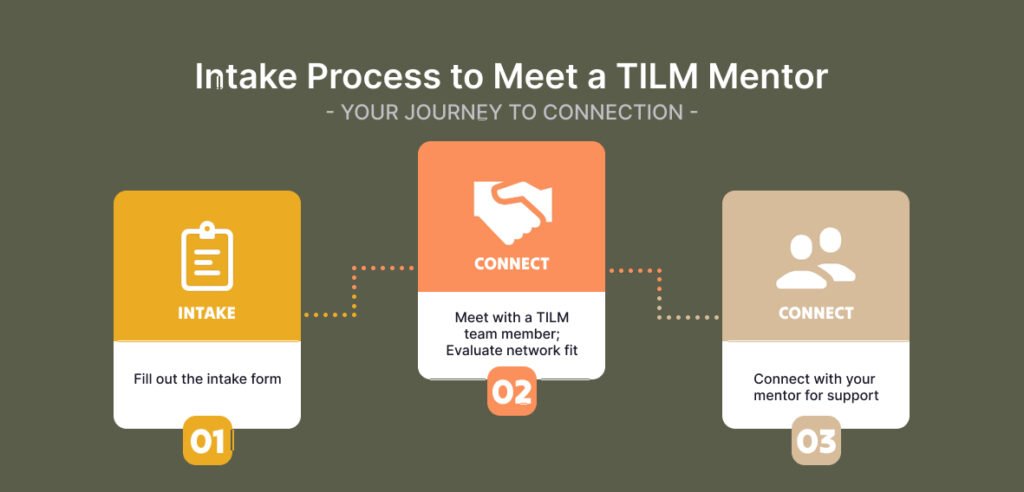
We connect you to those who may help you navigate the current challenging journey you’re on. Thriving in the Last Mile has established a national network of committed healthcare clinicians to provide support to those who are facing obstacles. This support is in the form of
listening and providing advice,
coaching on hard conversations,
and pointing you to new jobs or opportunities if the current place you’re at is no longer safe.
Mentors provide compassionate and practical support for individuals struggling with a
workplace challenge.
Coaching for Hard Conversations
Mentors offer guidance for individuals to navigate challenging scenarios.
Career Transitions & Leads
Mentors provide suggestions for how to search for and transition to safe spaces.
FAQs on Fighting Back
Can we see a list of mentors’ names? No, we do not share our mentor names to ensure we can keep a deep bench of very powerful healthcare leaders who are available to help on an as needed basis. You may see some mentors in different TILM events.
What happens if we reach out for help and then change our minds? Nothing, you’re free to go and we’ll destroy any records we had of you seeking help.
Will the mentors ever share what we shared back with our host institutions? All conversations are confidential and will not be shared without your consent.
Can we opt-out of speaking with a mentor we’re paired with if we’re not comfortable? Of course, once you’re assigned a mentor, you can let us know if you’d prefer to not move forward.
Do we have to pay for this service? No, this service is free to those who are in the TILM community.
Is talking to a mentor like talking to a lawyer? No, our mentors are healthcare professionals and are not trained to offer legal guidance.